

Are You Eating Healthy or Just Thinking You Are?
Most people today believe they are eating “healthy.” But the real question is:
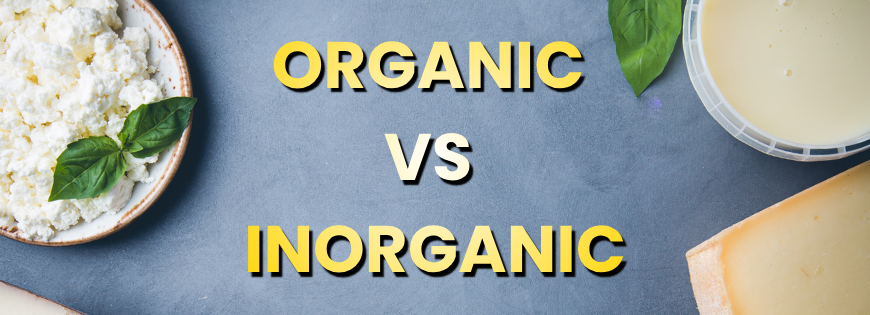
Is your food truly natural, or is it filled with hidden chemicals? The difference between organic and inorganic food plays a major role in your health—and most people don’t fully understand it. Let’s break it down in a simple way.
What is Organic Food?
Organic food is grown using natural farming methods without harmful chemicals.
Key features:
- No synthetic pesticides
- No chemical fertilizers
- No artificial growth hormones
- Eco-friendly farming practices
Organic farming focuses on soil health, natural growth, and sustainability.
What is Inorganic Food?
Inorganic (conventional) food is produced using modern chemical-based farming techniques.
Common practices:
- Use of pesticides to kill insects
- Chemical fertilizers to boost growth
- Artificial methods to increase yield
This type of farming is faster and cheaper—but may impact long-term health.
Organic vs Inorganic: Quick Comparison
| Feature | Organic Food | Inorganic Food |
|---|---|---|
| Farming Method | Natural | Chemical-based |
| Pesticides | No | Yes |
| Nutrients | Often better preserved | Can be reduced |
| Taste | Natural & rich | Often artificial |
| Health Impact | Safer long-term | Chemical exposure risk |
Why Organic Food Matters
1. Reduces Chemical Exposure
Inorganic food may contain pesticide residues, which can accumulate in the body over time.
2. Supports Better Health
Organic food avoids harmful additives, making it a cleaner choice for daily consumption.
3. Environment-Friendly
Organic farming protects:
- Soil quality
- Water resources
- Biodiversity
It’s not just about your health—it’s about the planet too.
Is Organic Food Always Better?
Let’s be real—organic is not “perfect.”
- It can be more expensive
- Availability may be limited
- Shelf life can be shorter
But when it comes to reducing chemical intake, organic food is definitely a better option.
How to Start Eating Organic (Without Spending Too Much)
You don’t need to switch everything at once.
Start with:
- Daily essentials (like grains, spices, sweeteners)
- Products you consume regularly
- Locally sourced organic items
Small changes = big long-term impact.
Final Verdict: Organic vs Inorganic
If you want a healthier lifestyle:
Choose organic whenever possible
It’s not about being perfect—it’s about making better everyday choices.
Make the Natural Switch
Choosing organic food is a step toward:
- Better health
- Cleaner eating
- Sustainable living
Start your journey with natural and chemical-free products from Vedik Greens.
FAQs
Q1. Is organic food healthier than inorganic food?
Organic food reduces exposure to harmful chemicals, making it a safer long-term option.
Q2. Why is inorganic food harmful?
It may contain pesticide residues and chemicals used during farming.
Q3. Is organic food worth the cost?
Yes, because it supports better health and reduces long-term risks.